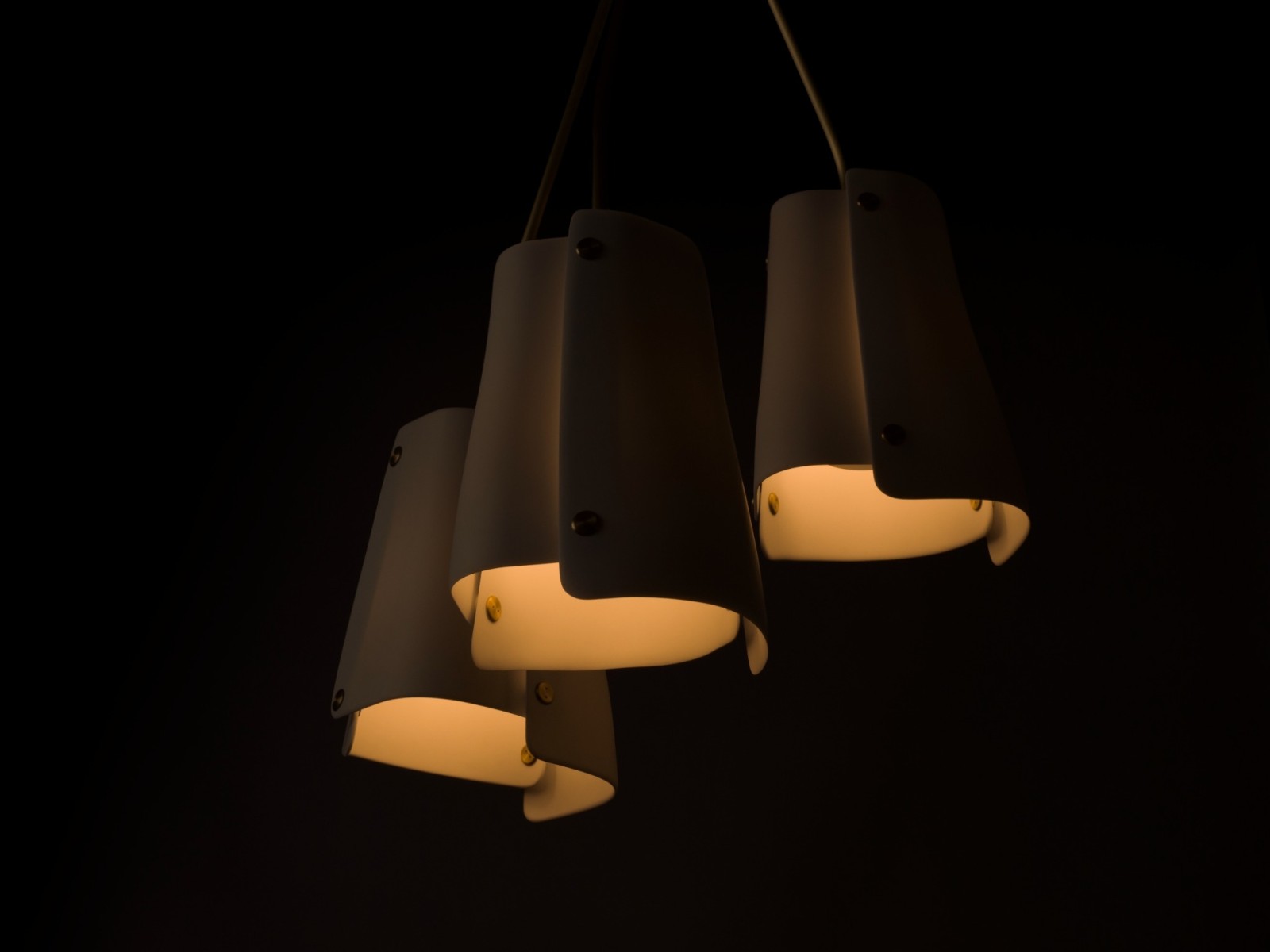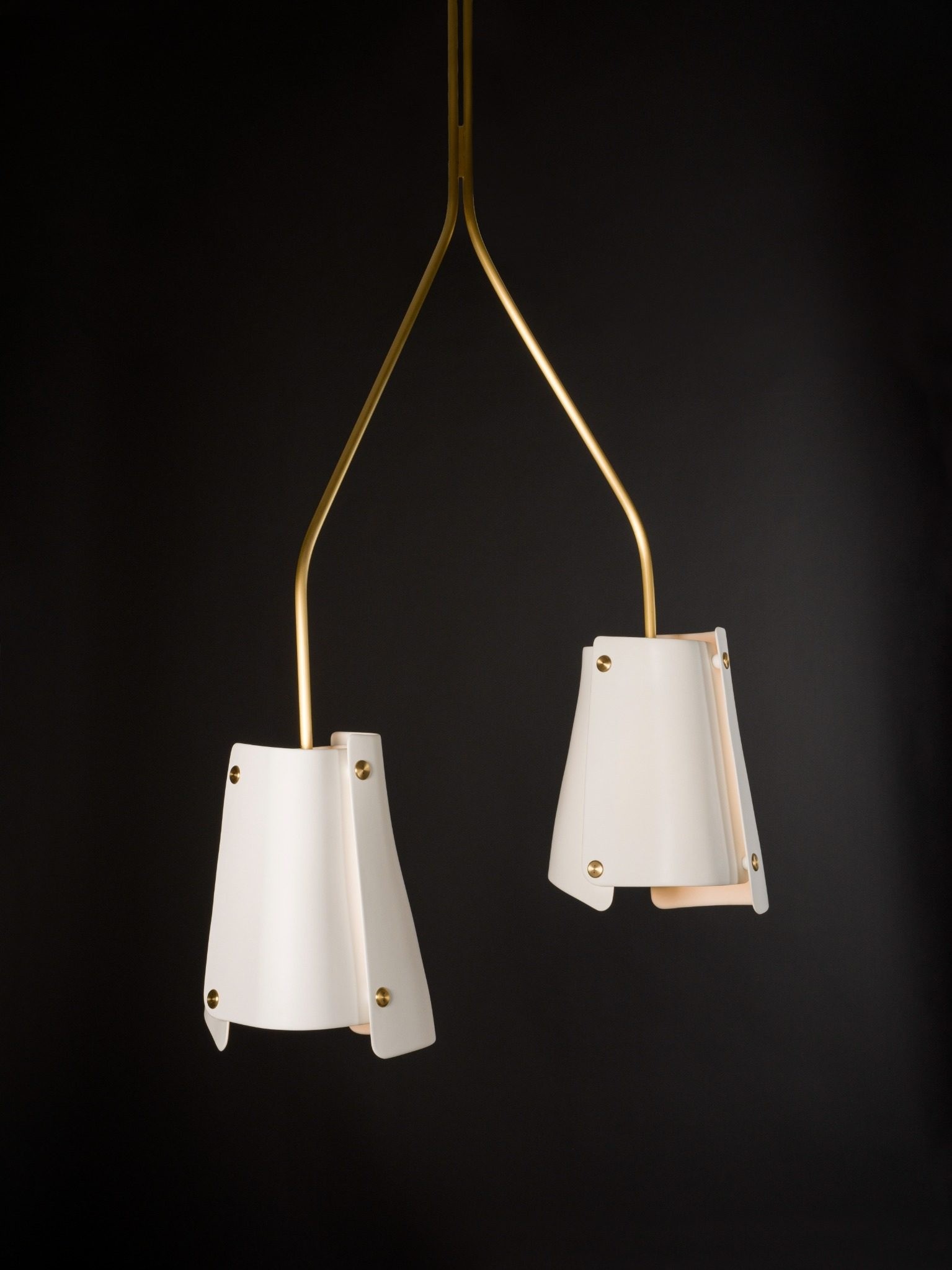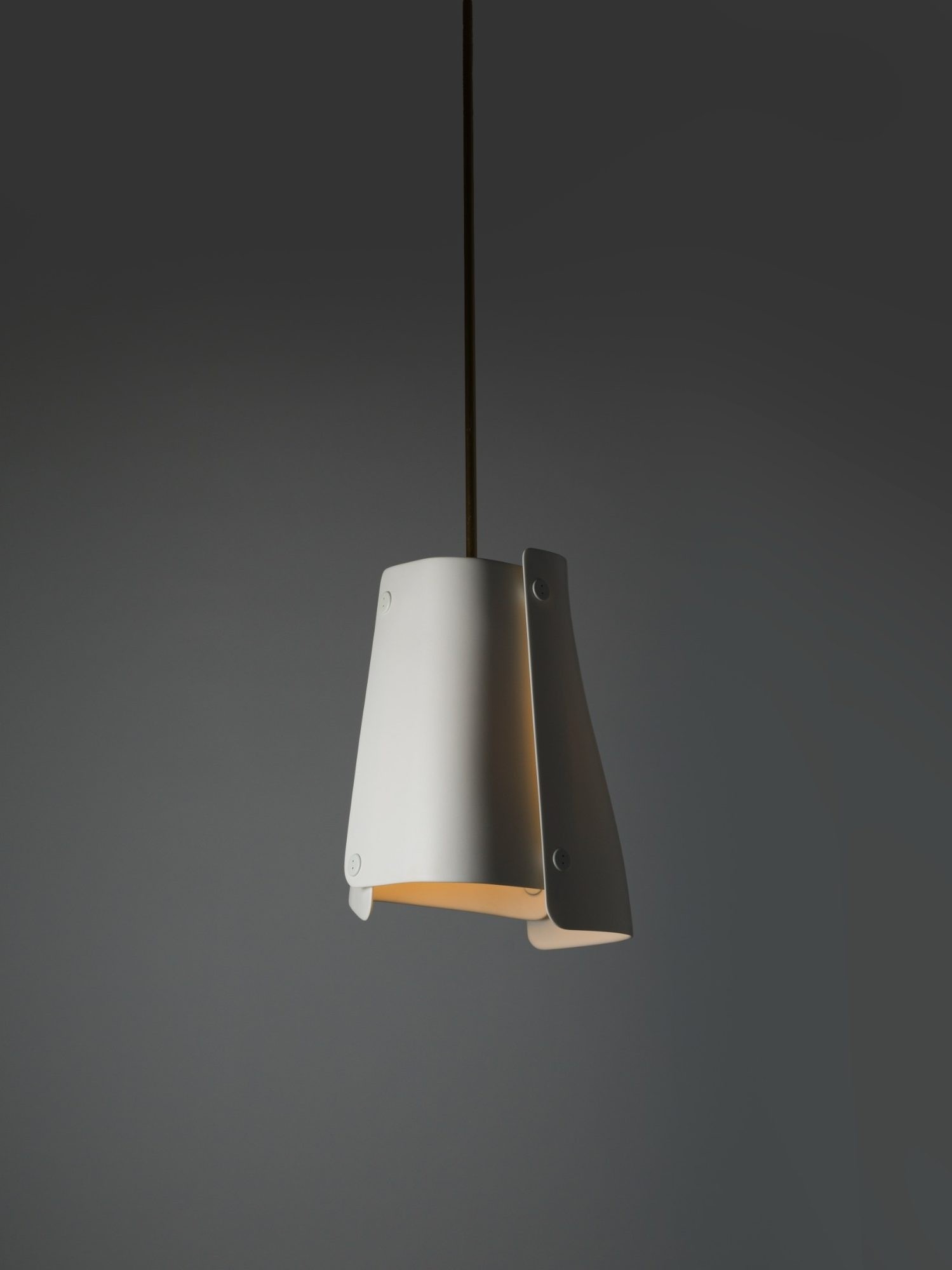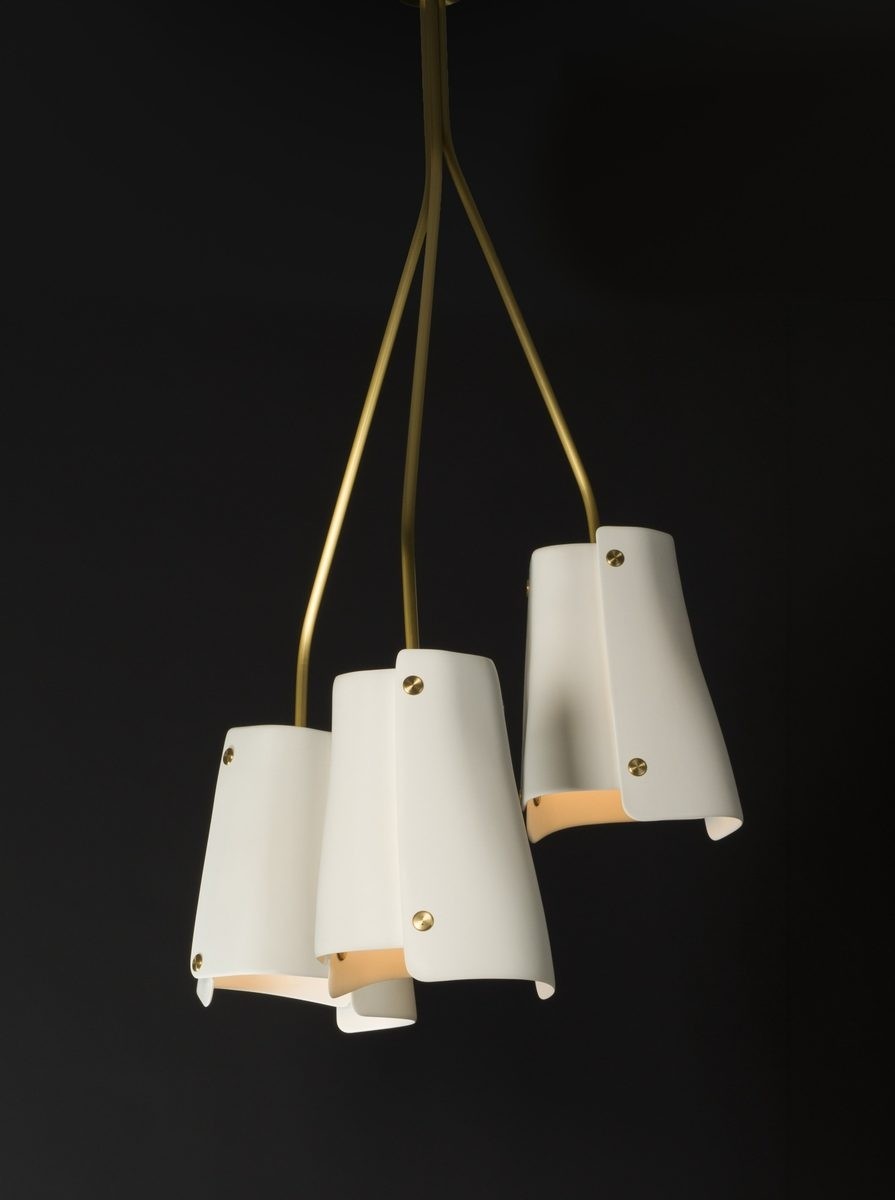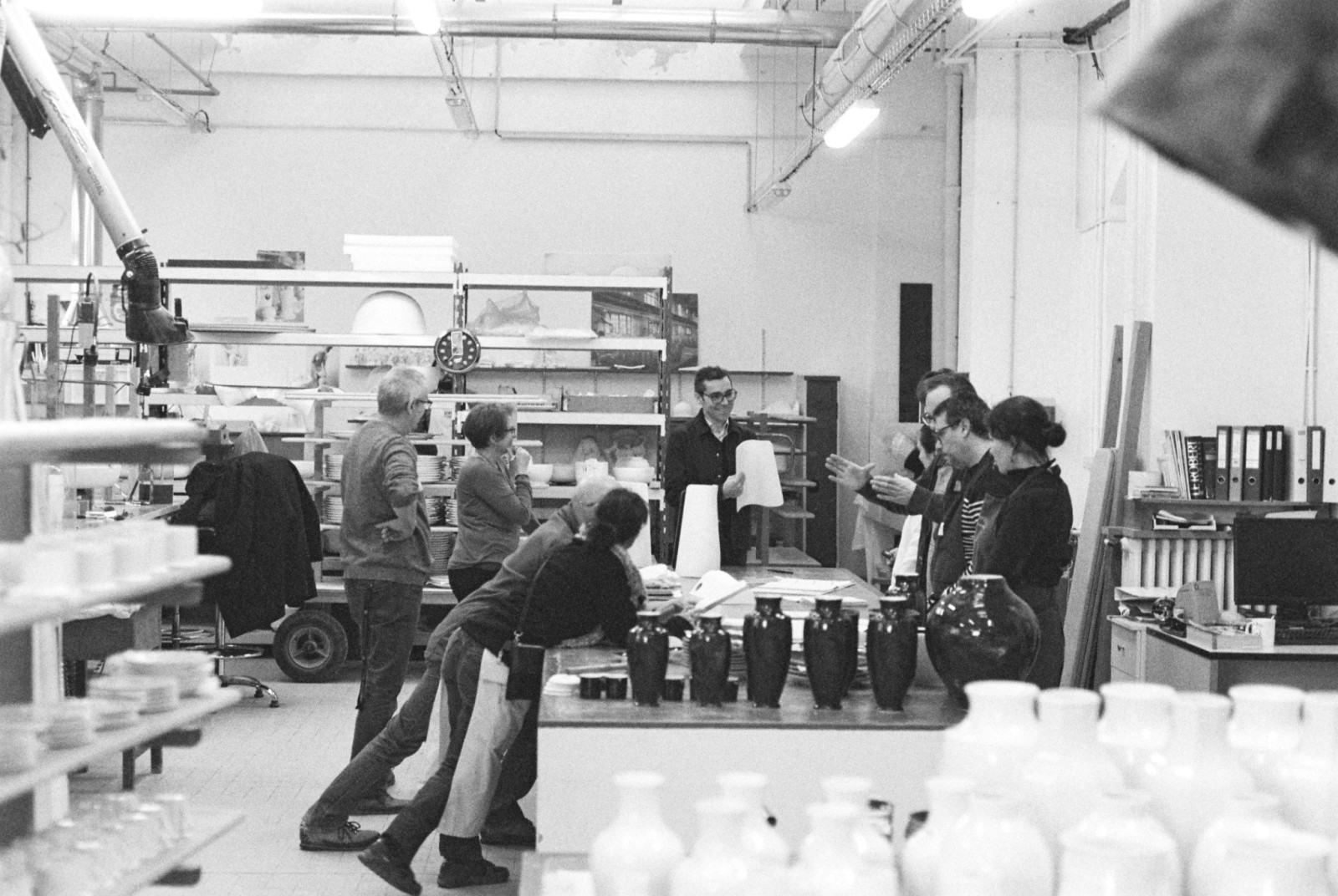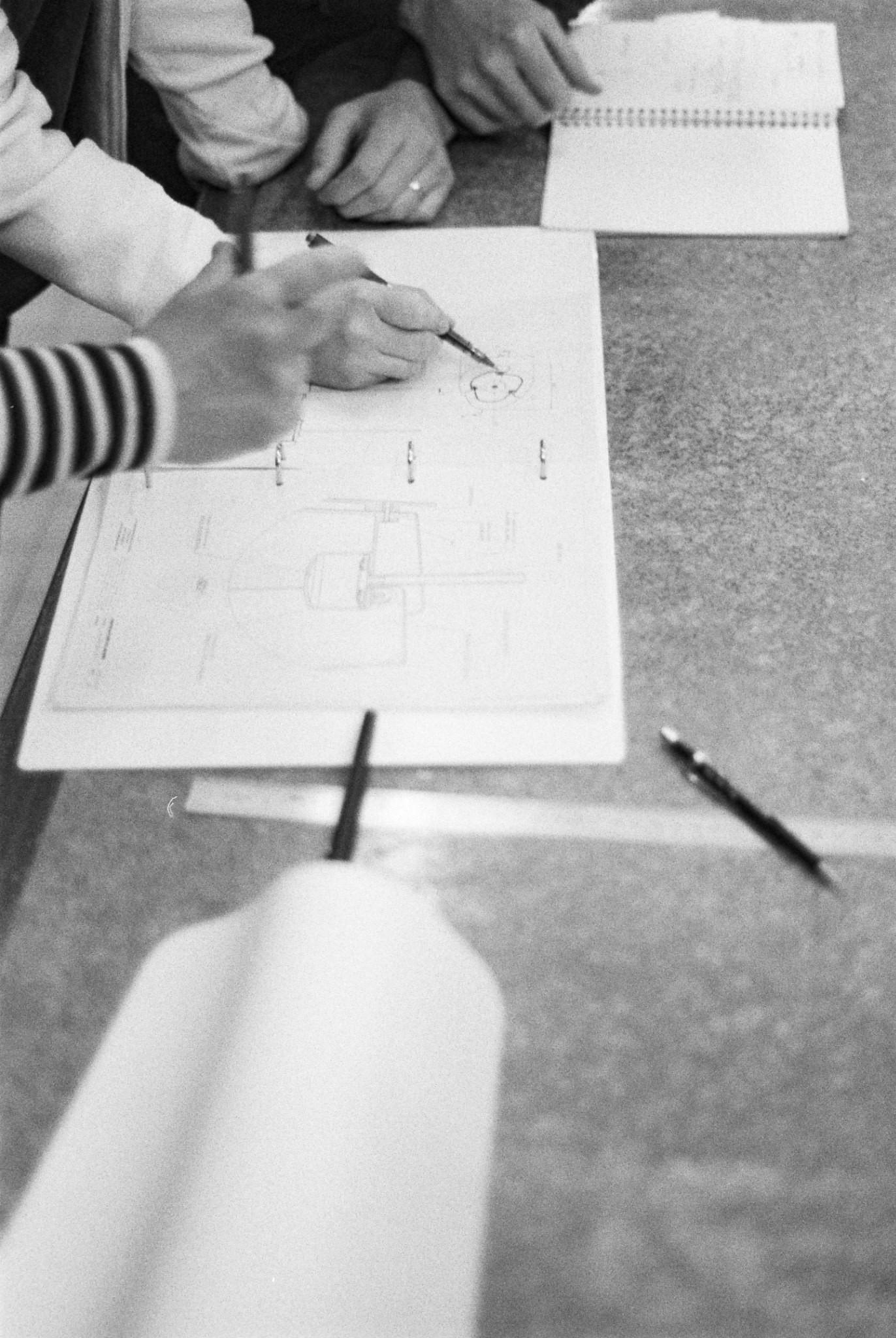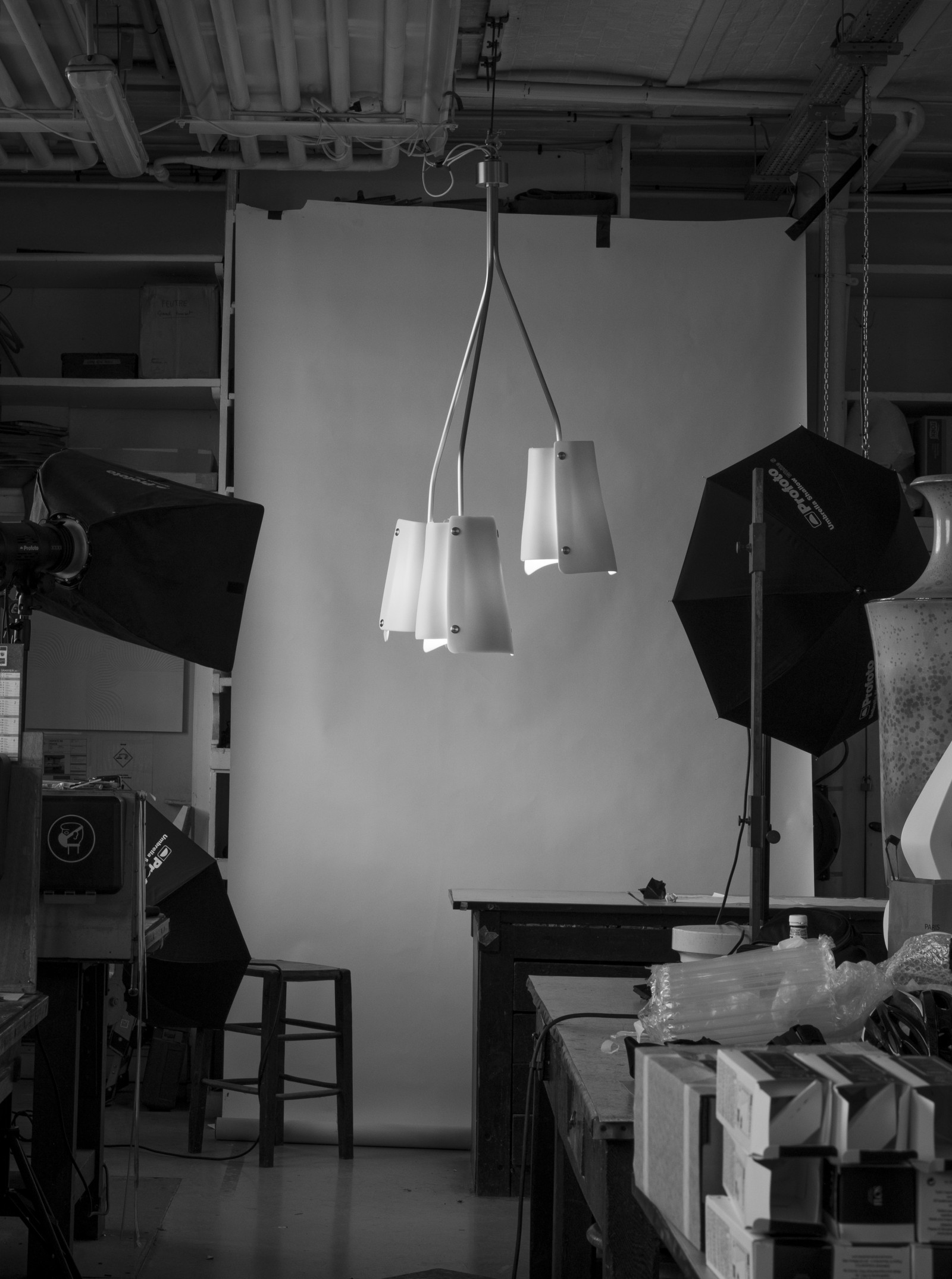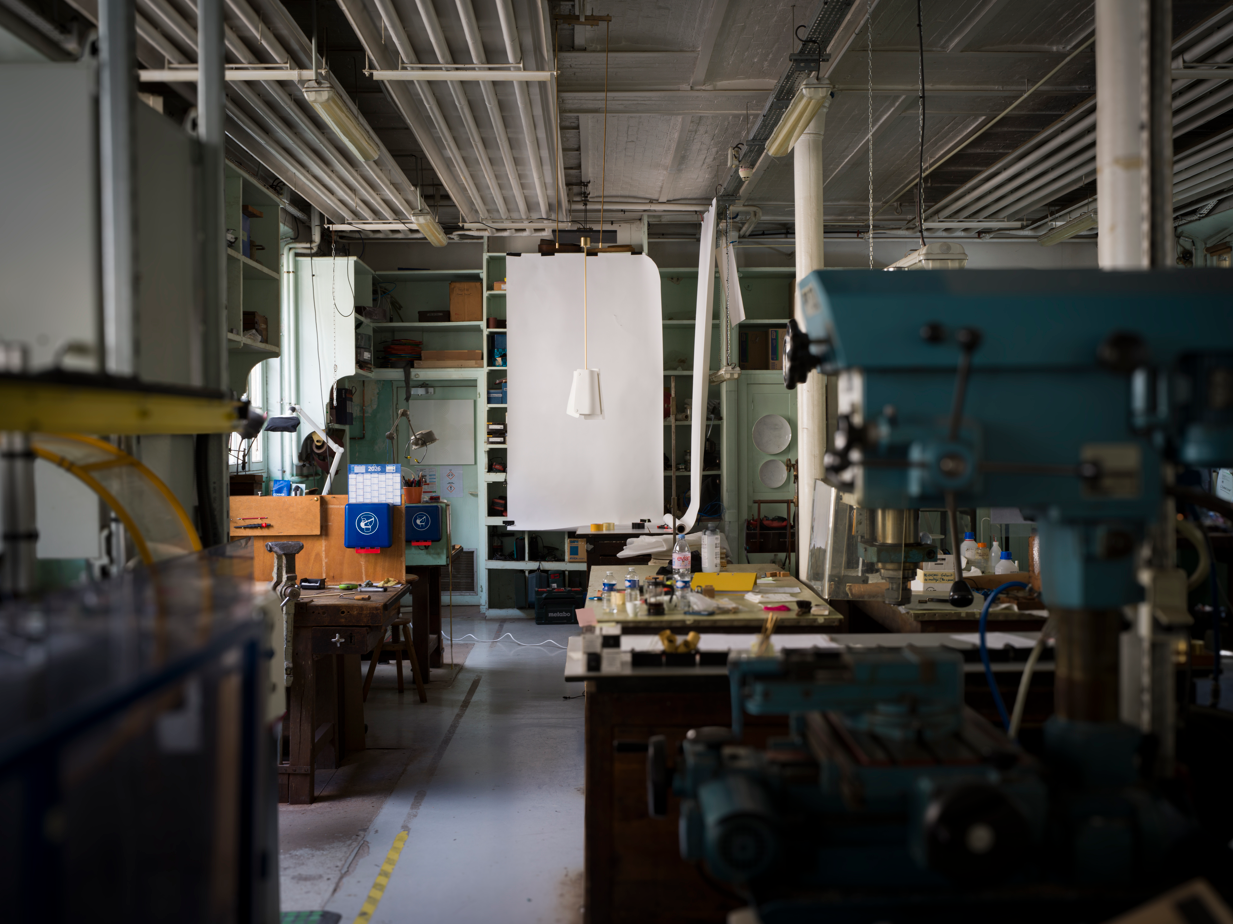
Since its origins, the Manufacture nationale de Sèvres has maintained a close relationship with light, from the eighteenth-century biscuit porcelain candleholder figures to Henri Rapin’s illuminated fountain of the 1920s. Invited to collaborate with Sèvres, Patrick Jouin continues this history by exploring the encounter between light and porcelain.
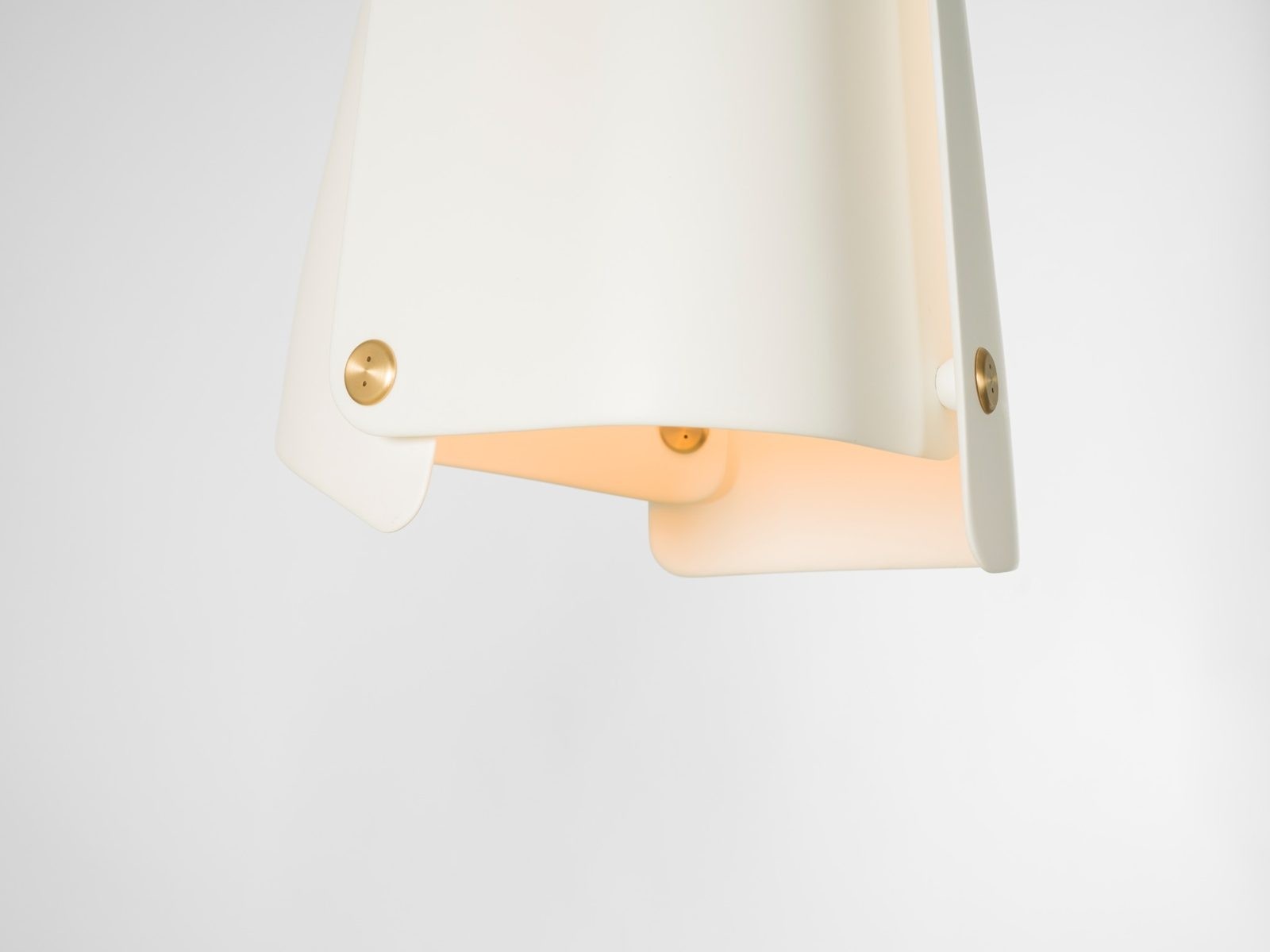
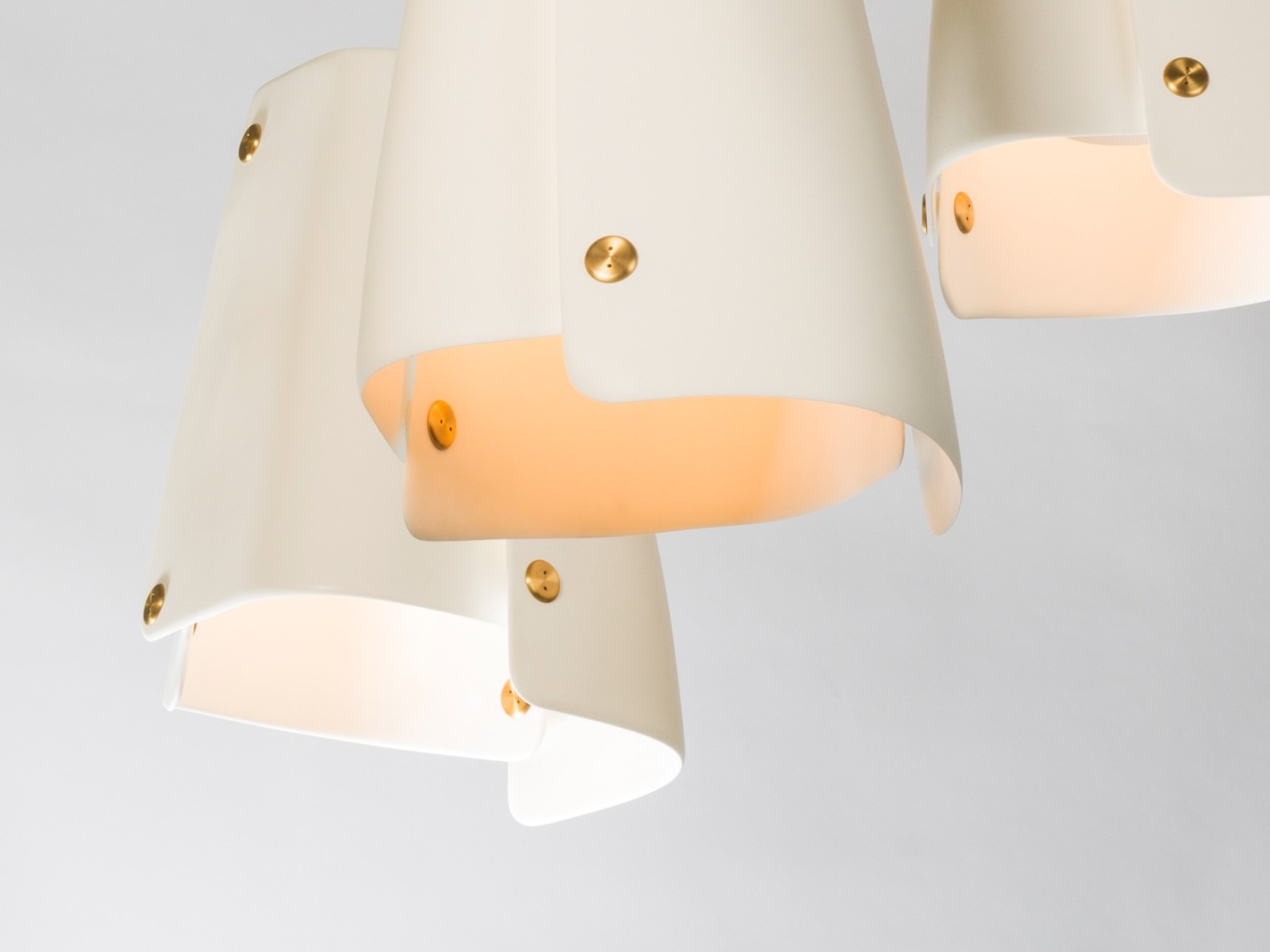
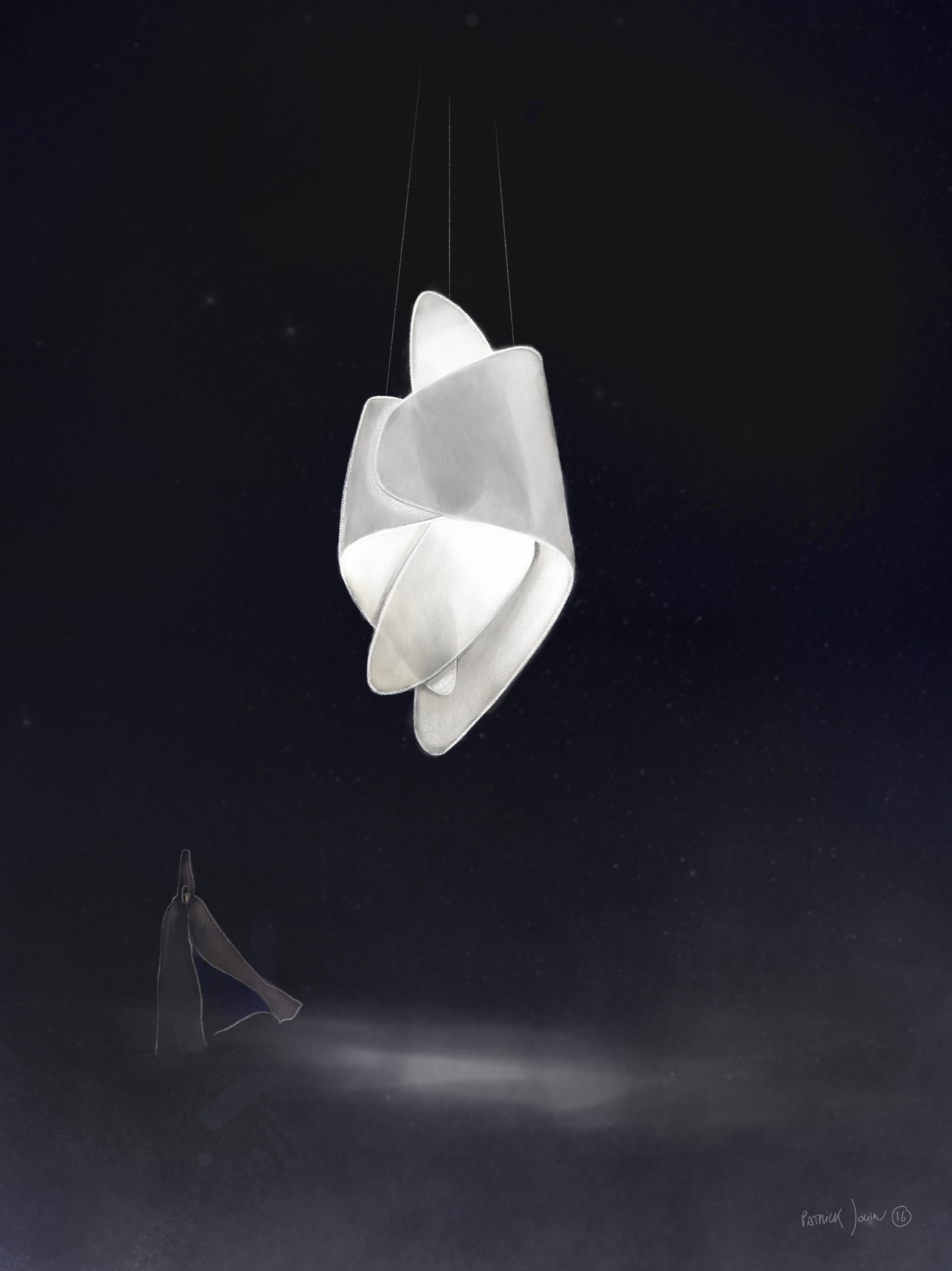
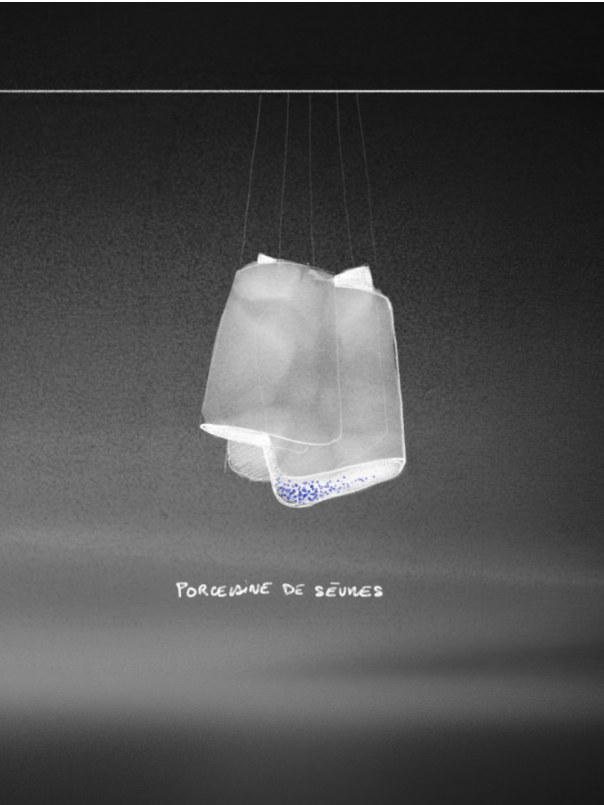
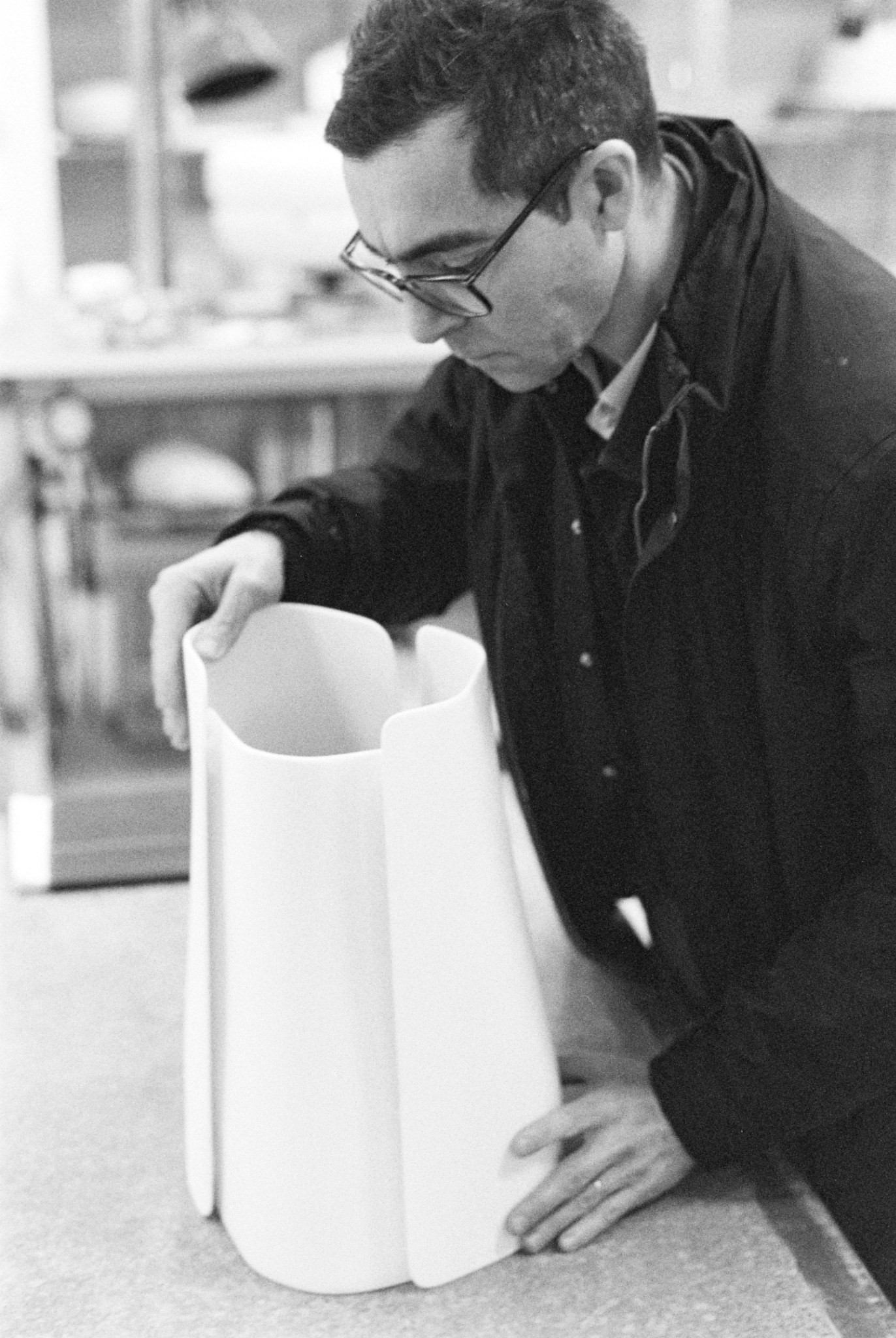
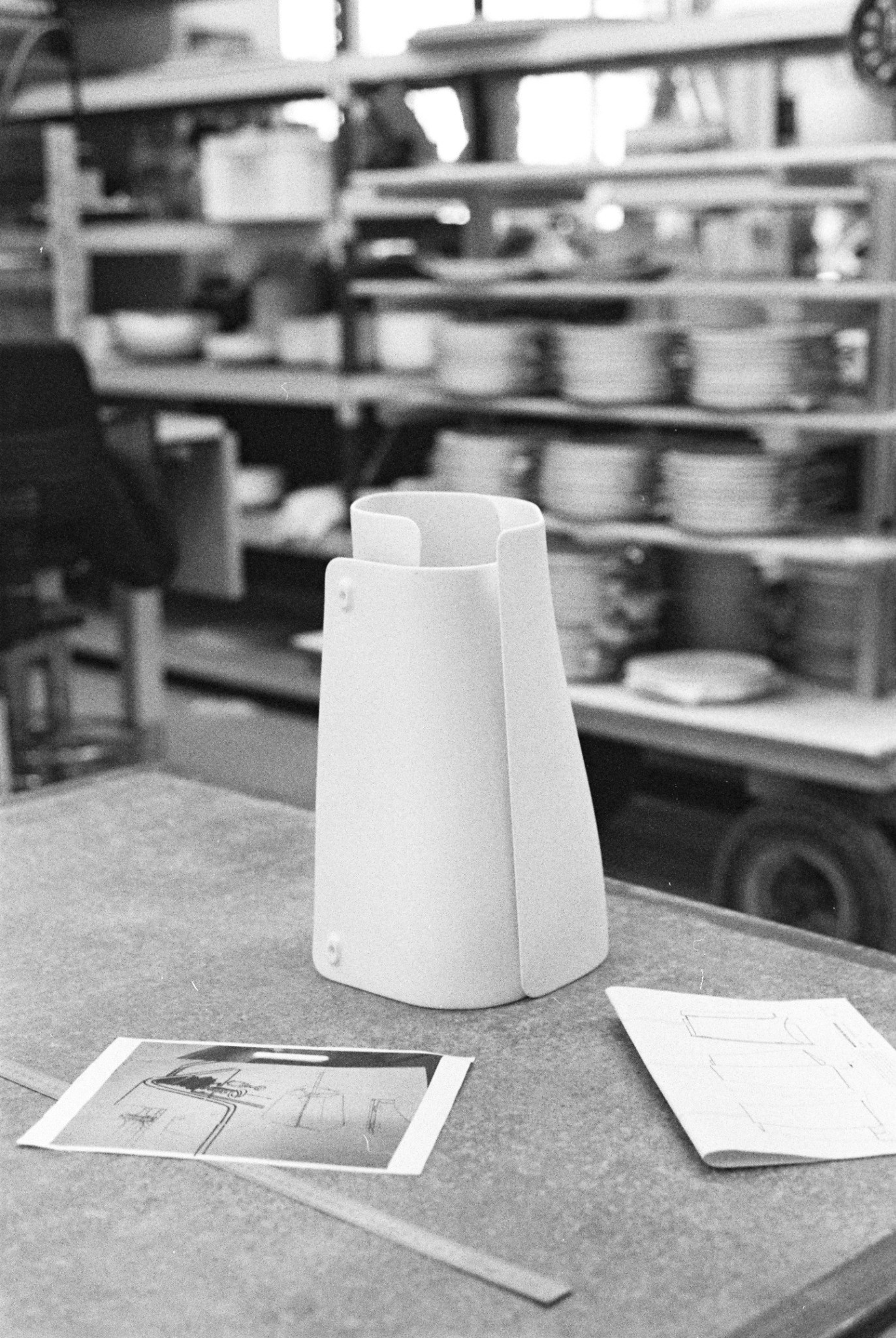
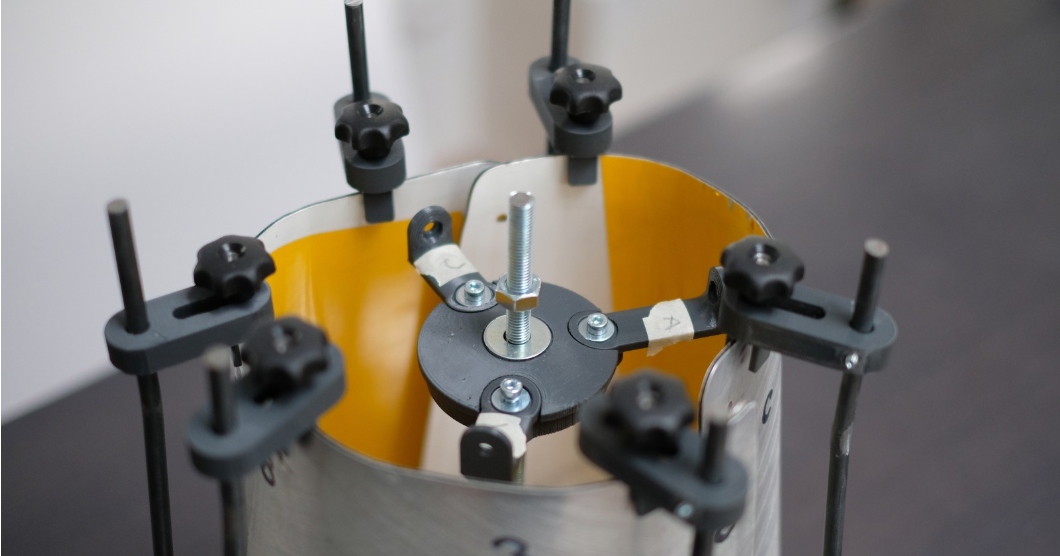
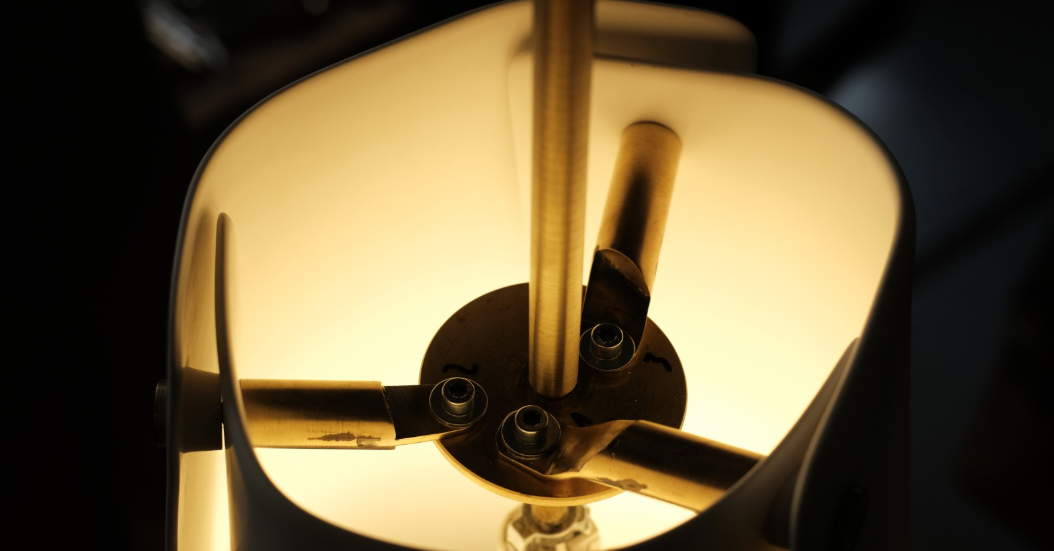
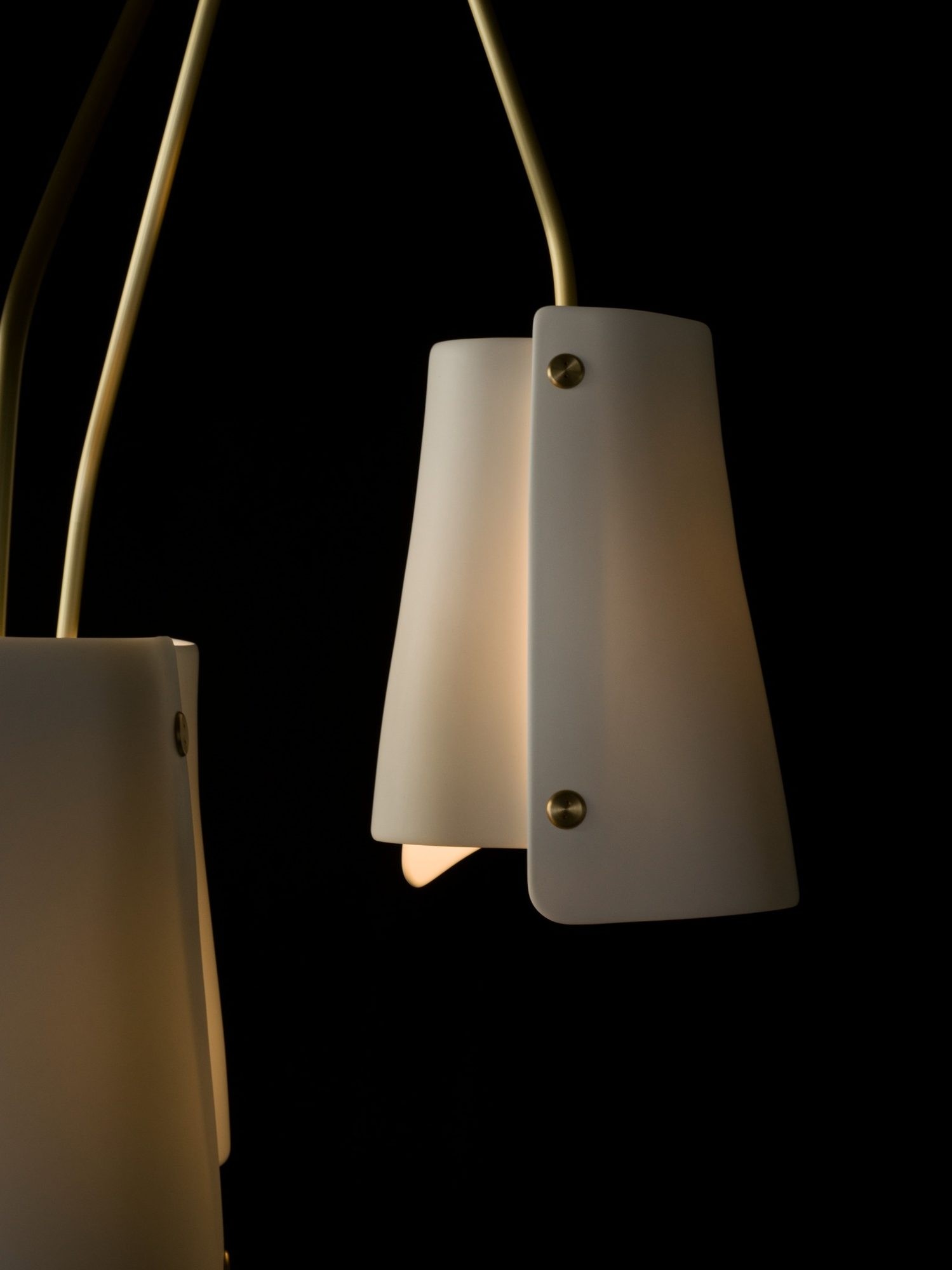
For PETALS, he imagines a free-form composition made of three biscuit porcelain petals assembled around a light source. Without ornament or glaze, the material remains in its raw state. Its delicacy allows light to gently filter through, while the gaps between the petals cast shadows and reveal their curves. Here, Patrick Jouin explores the formless: a shape that can be perceived without ever being fully defined. As light transforms it, its scale becomes uncertain. Is it an object, a sculpture, or a fragment of architecture?
“The form resists easy definition. It does not come from constructed geometry, but from nature in its least intentional state: bark, wind, snow, water. The material remains in its raw state: matte, porous, unrefined.” Patrick Jouin